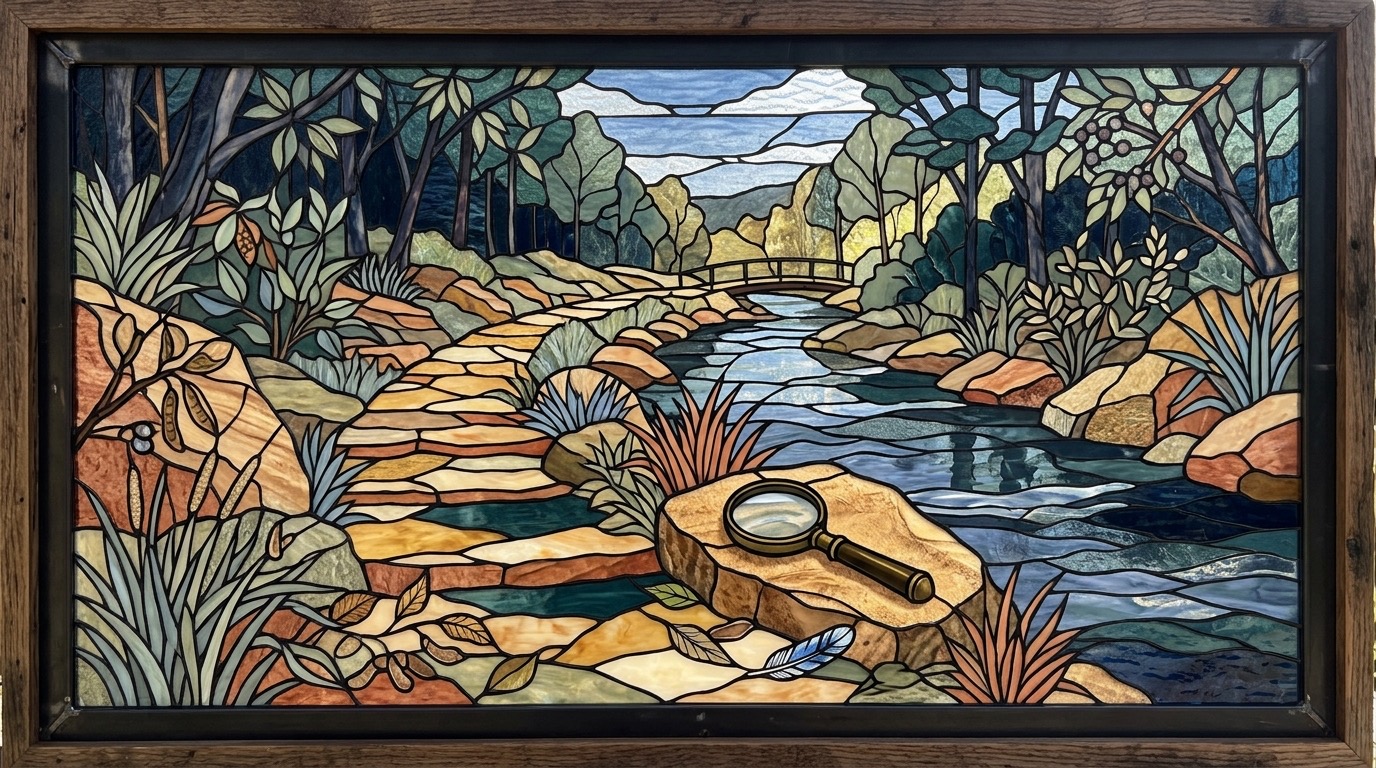
Familiar places are useful because they can be visited again. Repetition reveals patterns: a shadow shifts, water disappears, buds open, insects arrive, soil changes, and different sounds fill the same hour.
Choose a small field site
A field site can be one tree, a square of yard, a balcony planter, the sky from a window, a safe section of sidewalk, or a park bench area. Define the boundary so observations can be compared. Record the date, approximate time, weather, and what the observer was trying to notice.
Begin with description rather than identification. Naming may come later through reliable references. Direct evidence includes what was seen, heard, measured, or photographed; an explanation is an idea about why it happened. Keeping those separate is a foundational scientific habit.
Ask questions that the place can help answer
Some questions are too broad for a family investigation. “Why do seasons happen?” needs wider resources. “How does the afternoon shadow at this spot change over two weeks?” can be observed. Help turn curiosity into a question with a visible comparison.
- Which surface warms first in morning sunlight?
- Where does rainwater remain longest after a storm?
- What visitors appear near one flowering plant?
- How does wind affect two different kinds of leaves?
- Which materials collect along the edge of moving water?
Try this: a fifteen-minute field study
Spend five minutes noticing without collecting. Choose one pattern. Spend five minutes recording with words, sketch, tally, or photograph. Use the last five minutes to write one next question and leave the place as you found it.
Measure only when measurement adds meaning
Counting, timing, comparing length, and recording temperature can sharpen an observation, but tools can also distract from looking. Decide what the measurement will help compare. Use consistent methods across visits and note when conditions change.
Approximate measures are still useful when clearly labeled. A hand span, step, paper strip, or marked string can compare relative change. Adults should handle any glass, sharp, electrical, or specialized equipment and ensure that tools are appropriate for the environment.
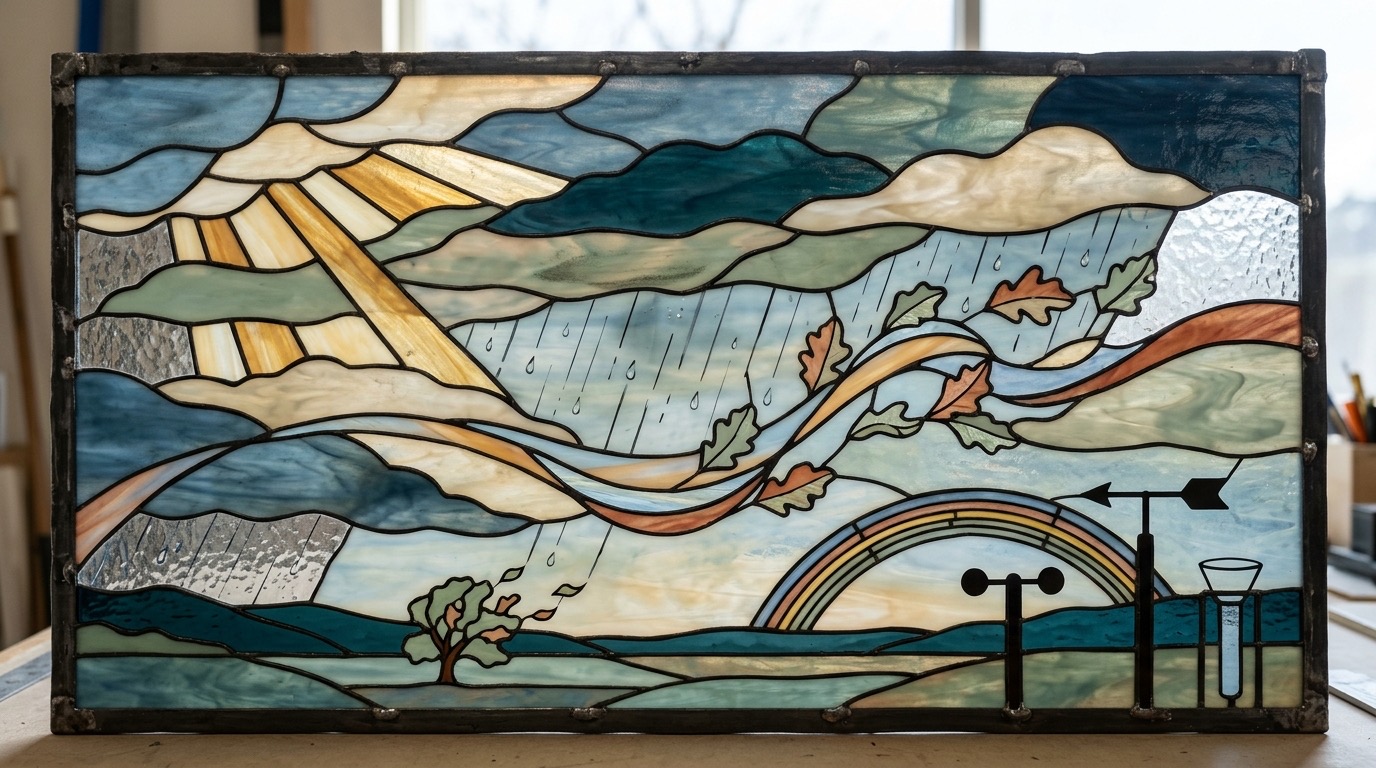
Use weather as a relationship
Instead of only naming sunny, windy, rainy, or cloudy, ask what the conditions change. Does the same surface dry faster? Are sounds carried differently? Do leaves show another side? Where do birds or insects appear? How does clothing or route choice change?
Never continue an observation during lightning, dangerous heat or cold, poor air quality, flooding, high wind, unsafe visibility, or any condition the responsible adult considers risky. A window observation or later comparison is a valid alternative.
Practice ethical attention
Observe wildlife from a respectful distance. Do not handle nests, eggs, young animals, unknown fungi, or potentially harmful plants. Avoid feeding wildlife, removing living specimens, moving habitat objects, or sharing precise locations of sensitive species. Follow property rules and stay on appropriate paths.
If litter is part of the study, adults should assess hazards and provide safe collection equipment. Learners should never handle needles, sharp metal, chemicals, animal waste, or unknown substances.
Outdoor responsibility
Adults choose the location and remain responsible for traffic, water, terrain, weather, sun exposure, allergies, wildlife, property boundaries, and emergency readiness. This guide does not replace local safety guidance.
Close with a claim that can change
After several visits, invite a tentative statement: “We think the north side stays damp longer because…” List the supporting observations and what could challenge the idea. Scientific thinking grows when a learner can update a claim without feeling that the earlier version was a failure.
Reflection prompts
- What pattern appeared across visits?
- Which observation was most reliable?
- What changed our explanation?
- What did we leave undisturbed?
- What would be worth observing in another season?